

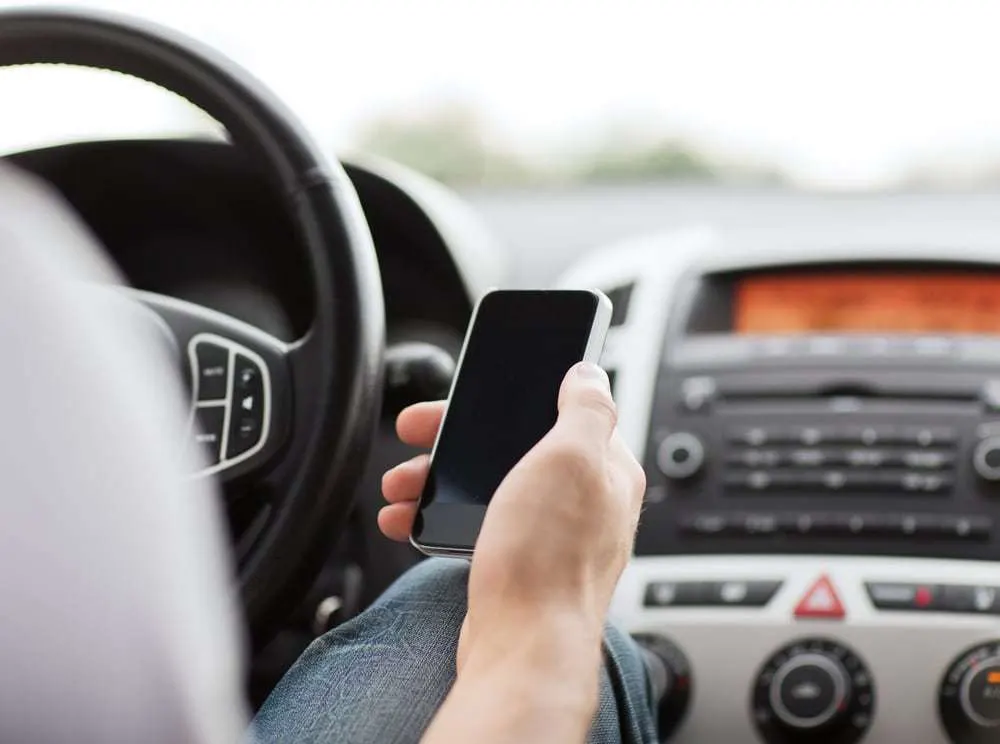
The ability to multitask might serve you well in your job, but it is not a good idea to engage in multitasking while you drive. Driving requires you to keep your attention focused on the road and the environment around you at all times. If your attention is diverted away from the act of driving for even a few seconds, you may be involved in an accident. While many people equate distracted driving with texting while driving, there are many different activities that may distract you while you drive. Any activity that takes your attention away from the road even momentarily can cause an accident. There are three primary types of distracted driving: manual, cognitive, and visual distractions. Some activities, such as texting while driving, may distract you in all three ways.
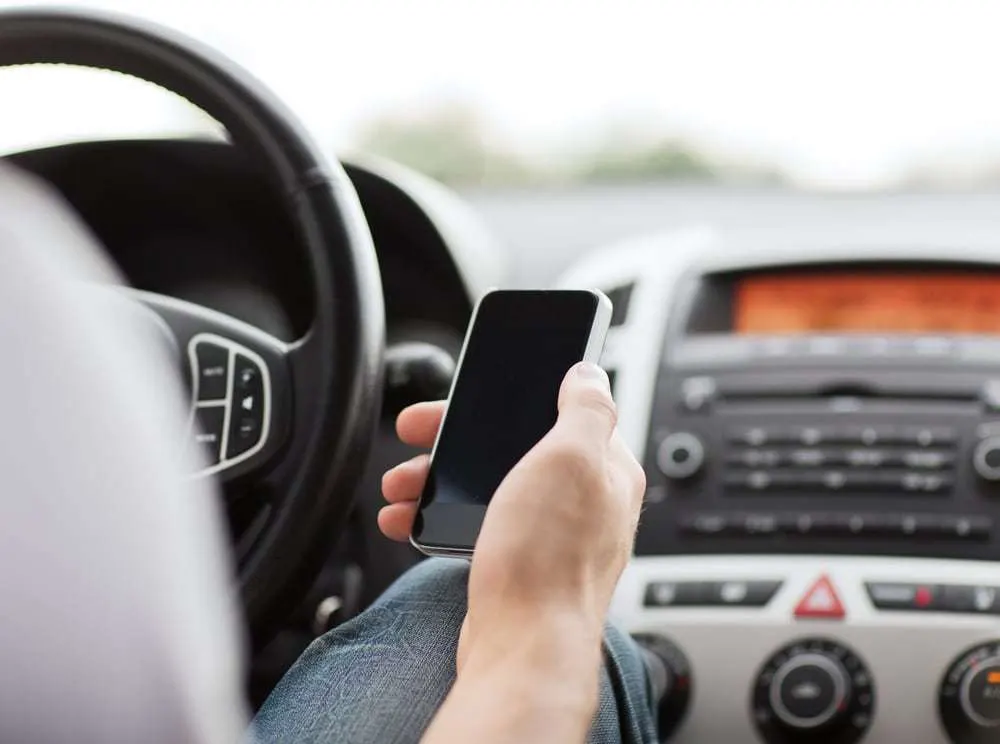
According to the National Highway Traffic Safety Administration, distracted driving caused 3,450 deaths in 2016 alone, the most recent year for which data is available. If you have been injured in an accident that was caused by a distracted driver, getting help from an experienced personal injury lawyer may help you to recover compensation for your losses.
Types of Distracted Driving
Manual Distractions
An activity is manually distracting if it forces you to take your hands off of the wheel to do something. Examples of common activities that are manual distractions include manipulating the knobs on your car’s infotainment system, checking your GPS, dialing a phone number, texting, eating, smoking, or reaching for an object. Engaging in manually distracting activities while you drive can be dangerous because they limit your ability to react quickly or to steer your vehicle properly in an emergency. When you reach for something or manipulate devices in your vehicle, you might also veer your vehicle off the road or into oncoming traffic.
Cognitive Distractions
The act of driving requires you to keep your attention focused on the road at all times. Anything that takes your attention away from the road may lead to an accident. Examples of cognitive distractions might include talking to passengers in your vehicle while you are driving, reprimanding children, or talking on your cell phone. While many people think that hands-free cell phones are safer, the National Safety Council reports that talking on hands-free cell phones while driving offers no safety advantages because it is just as distracting as talking on handheld devices. According to the NSC, drivers who talk on their cell phones, including hands-free phones, fail to see 50 percent of the information in their environments because they are cognitively distracted.
Visual Distractions
Visual distractions are things that make you take your eyes off of the road while you are driving. There are many different types of visual distractions. For example, looking at billboards or at passing buildings may take your eyes away from the road. You can also be visually distracted by your cell phone if you have an incoming text message and glance to see what it is. Other visually distracting activities include glancing at your GPS or infotainment screen. When you take your eyes off of the road for even a second, your car may travel hundreds of feet in the meantime.
Actions That Cause All Three Types of Distracted Driving
Technological advancements such as texting and social media may cause all three types of distracted driving. When you text and drive, you may take your hands off of the wheel to respond. Your cognitive attention may be focused on the conversation instead of on driving, and you will also be visually distracted by reading the messages that you receive and send. Similarly, using social media apps while you drive can also cause all three types of driver distraction. For example, SnapChat and Facebook Live may cause you to take your manual, visual, and cognitive attention away from the road.
What You Can Do
It is important for you to avoid engaging in other activities while you are driving. You should never talk or text on your cell phone while you drive. It is best for you to turn your cell phone off when you first get into your car and to put it out of your eyesight. Try to keep your eyes and attention focused on the road, and do not engage in activities such as eating or smoking. If something falls, don’t reach for it until you have safely pulled off of the road and come to a complete stop. It is important for parents to model good driving behavior for their children and to set firm rules for teen drivers. If you let your children know your expectations, you may help to reduce the likelihood that they will engage in distracting activities and cause accidents when they drive.
_____
It only takes a moment for an accident to happen. If your attention is diverted away from the road, you may not be able to react in time. If you have been injured in an accident that was caused by a distracted driver, contact the Law Offices of Bryan Musgrave today by calling 417-322-2222 or sending us a message online. We can help you determine the best course of action for your claim.